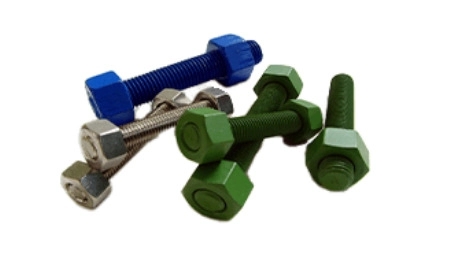
Master Bolt screw
The main connection in the oil and petrochemical industry is the master bolt, which is a specialized connector. This screw is often used in fluid transmission lines to close flanges or various metal parts. The flange itself is a type of connecting valves and devices to each other. Its appearance is disc-like, which is used to connect two parts with the help of master bolt.
The shape of the master bolt is simple and therefore is often confused with a metric screw because it is shaped like a full gear thread. But the master of the bolts is the production process and precise and complex heat treatments are done on them. Therefore, these two screws may look the same at first glance, but they have many differences in production and use. Master bolts are produced in different grades according to international standards. One of the common standards for the production of Master Bolt screws is related to the ASTM A193 standard, according to which different grades are defined for this screw.
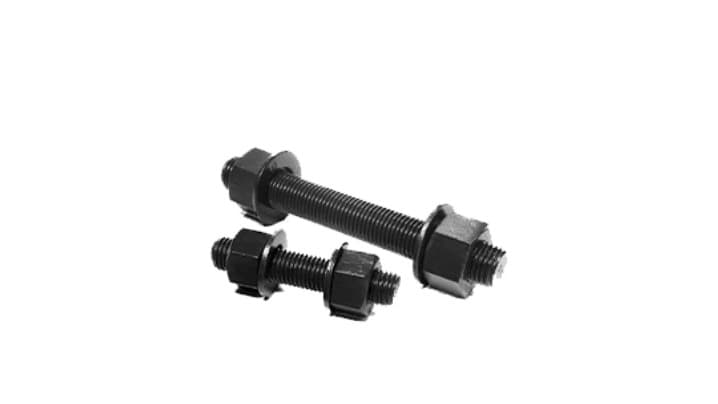
The types of grade for Master Bolt are:
🔰B7 grade
🔰L7 grade
🔰B16 grade
🔰B8 grade
🔰B8M grade
To prevent the corrosion of the master bolt Against environmental factors such as water and moisture or corrosive factors, they cover it with materials that increase the corrosion resistance of Master Bolt. Of course, note that this will increase the price of Master Bolt.
Types of common coatings for Master Bolt are:
🔰Dachromat
🔰Cold and hot galvanized
🔰Teflon PTFE
🔰Black oxide phosphate
The use of these coatings depends on the place of use of the screw and the conditions in which the item is used. It is used. To learn more about the use and types of master bolts, you can visit the article about master bolts here.